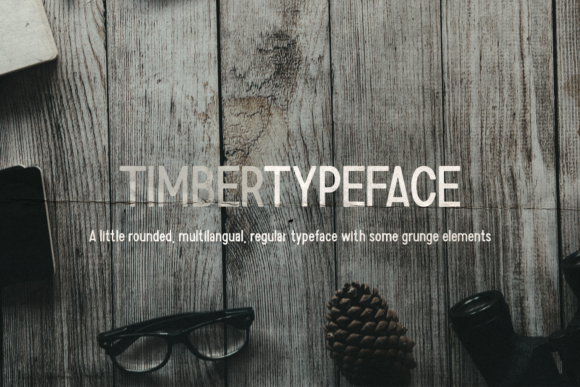
Timber: A Display Font for Inspired Designs
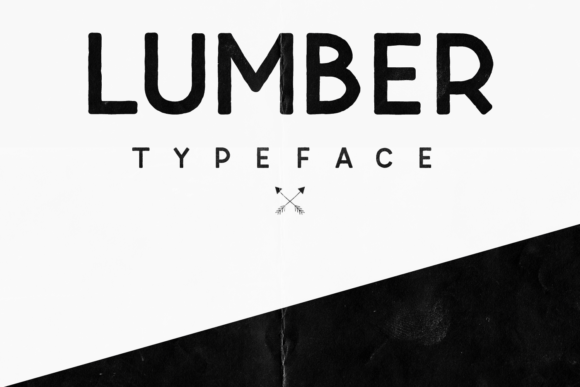
A single typeface can define the entire mood of a design, and choosing one that balances clarity with character is a constant pursuit for creatives. Timber is a simple and sharp looking display font, that will truly inspire your works. Its clean lines and modern aesthetic offer a foundation for designs that need to feel both professional and distinctive, making it a valuable asset for a wide range of projects.
This premium font excels where impact and readability are paramount. As a display typeface, it’s crafted for headlines, logos, and large-scale text where its geometric precision and subtle personality can shine. Think of bold poster titles that command attention, clean brand identities that convey modernity, or striking packaging that stands out on a shelf. Timber provides that sharp, contemporary edge without sacrificing legibility, a crucial balance in effective modern typography.
The true versatility of this creative font becomes apparent when you consider its applications. It’s a natural fit for crafting memorable logo designs and building cohesive brand identity systems. For editorial designers, it brings a polished, authoritative feel to magazine layouts and book covers. In the digital realm, it enhances web design headers and creates scroll-stopping social media graphics. Its straightforward elegance also translates beautifully to merchandise, event invitations, and digital product interfaces.
Integrating a new font into your workflow involves a few practical considerations to ensure it elevates your project:
- Assess the Mood: Timber’s sharp, clean look suits contemporary, professional, and minimalist aesthetics. Verify its personality aligns with your project’s tone—whether it’s a sleek tech startup, a modern lifestyle brand, or an avant-garde art poster.
- Check Readability: Always test the font at the sizes you intend to use. While designed for display, ensure its letterforms remain clear and distinct in your specific context, especially for critical text like a brand name.
- Explore Font Pairings: A strong display font like Timber works best when paired wisely. Consider combining it with a simple sans serif font for body text to create hierarchy and balance, or with a subtle script font for a touch of contrast in specific applications.
- Review Available Styles: Check if the font family includes multiple weights or styles (like italic). Having these variations can significantly expand your design flexibility for creating emphasis and structure within your layouts.
Choosing the right typeface is a fundamental design decision that influences visual consistency and brand recognition. A well-designed font like Timber acts as a reliable design asset, streamlining your creative process and ensuring a professional presentation across all touchpoints. Its ability to adapt to various contexts—from bold posters to refined digital layouts—makes it a worthy consideration for designers and creators looking to add a sharp, inspiring tool to their typographic toolkit. Explore its possibilities to see how it can refine and elevate your next project.