Lumber: The Quirky Display Font for Bold Designs
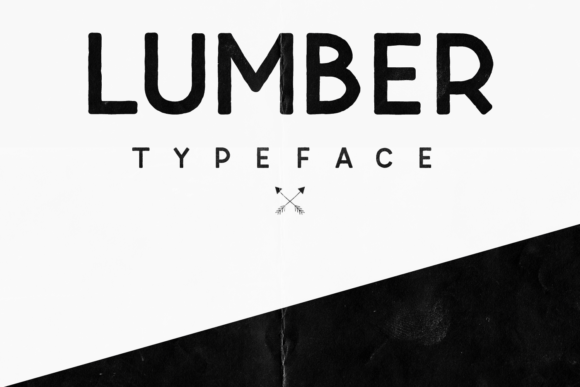
Finding a typeface that truly stands out can transform a good design into a memorable one. Lumber is a unique and interesting display font that immediately catches the eye. A little bit quirky, this font is a great choice for a wide variety of contexts, offering designers a tool that injects personality and visual interest into any project.
What Makes Lumber a Standout Creative Font?
At its core, Lumber is a premium display font designed for impact. Unlike more neutral serif or sans serif fonts, it carries a distinct character. Its letterforms often feature unexpected angles, playful curves, or subtle irregularities that give it a handcrafted, organic feel. This inherent quirkiness doesn’t sacrifice readability; instead, it creates a friendly and approachable tone that can make brand communications feel more human and engaging.
Practical Applications for Modern Typography
The versatility of a strong display typeface like Lumber is one of its greatest assets. Its unique personality makes it suitable for projects where you need to make a statement. Consider using it for:
- Logo Design & Brand Identity: A logo set in Lumber can become a memorable cornerstone of a brand’s visual identity, especially for businesses in creative industries, artisanal goods, or outdoor lifestyles.
- Packaging Design: On product labels and boxes, this font can help a product stand out on the shelf, conveying craftsmanship and quality at a glance.
- Poster Design & Editorial Layouts: Headlines and pull quotes gain tremendous energy and character, making magazine spreads and event posters more dynamic.
- Social Media Graphics & Web Design: In digital spaces, where attention spans are short, a distinctive font for key headings can stop the scroll and improve engagement.
- Merchandise & Invitations: From t-shirts to wedding stationery, Lumber adds a touch of personalized flair that feels special and curated.
Tips for Choosing and Using This Typeface
To get the most out of any creative font, a thoughtful approach is key. First, always test Lumber in context. View it at the size you intend to use to ensure its charming details remain clear and legible. Its mood is inherently warm and slightly rustic, so it pairs well with cleaner, more neutral fonts for body text—think a simple sans serif or a classic serif for balance. This practice of font pairing creates visual hierarchy and ensures your overall design is polished.
Before downloading, review the available character set and styles. Does it include the punctuation and symbols you need? Finally, always verify the font license. Whether it’s a free font for personal use or a commercial font for client work, understanding the terms is a professional necessity that protects your projects.
Investing time in selecting the right typography is an investment in the quality of your work. A well-chosen typeface like Lumber doesn’t just spell out words; it communicates a feeling, establishes a tone, and contributes directly to a project’s professional presentation and visual consistency. By aligning the font’s personality with your project’s goals, you create a more cohesive and compelling design that resonates with your audience.